The José Martí Documentary Heritage nominated by Cuba and inscribed in UNESCO’s Memory of the World Register in 2005, preserves the writings and correspondence of José Martí (1853–1895), one of Latin America’s most influential thinkers, writers, and political visionaries.
Martí’s work stands as a cornerstone of Latin American identity and universal humanism. His writings bridge literature, philosophy, and political action, shaping the intellectual and ethical foundations of the region’s struggles for independence, cultural self-determination, and social justice. He exposed the geopolitical dynamics of his time, particularly the rise of U.S. imperial influence in the Americas, and envisioned solidarity among the peoples of Latin America, Africa, and Asia, those later described as the “Third World.”
As a writer, Martí transformed the Spanish language and anticipated modernist movements in world literature. His prose and poetry, characterized by innovative syntax, symbolic depth, and stylistic freedom, placed him among the great modern literary figures, comparable to Baudelaire, Whitman, or Rimbaud. His essays, journalism, and creative works not only renewed literary expression but also embodied a vision of liberation grounded in ethics, equality, and cultural diversity.
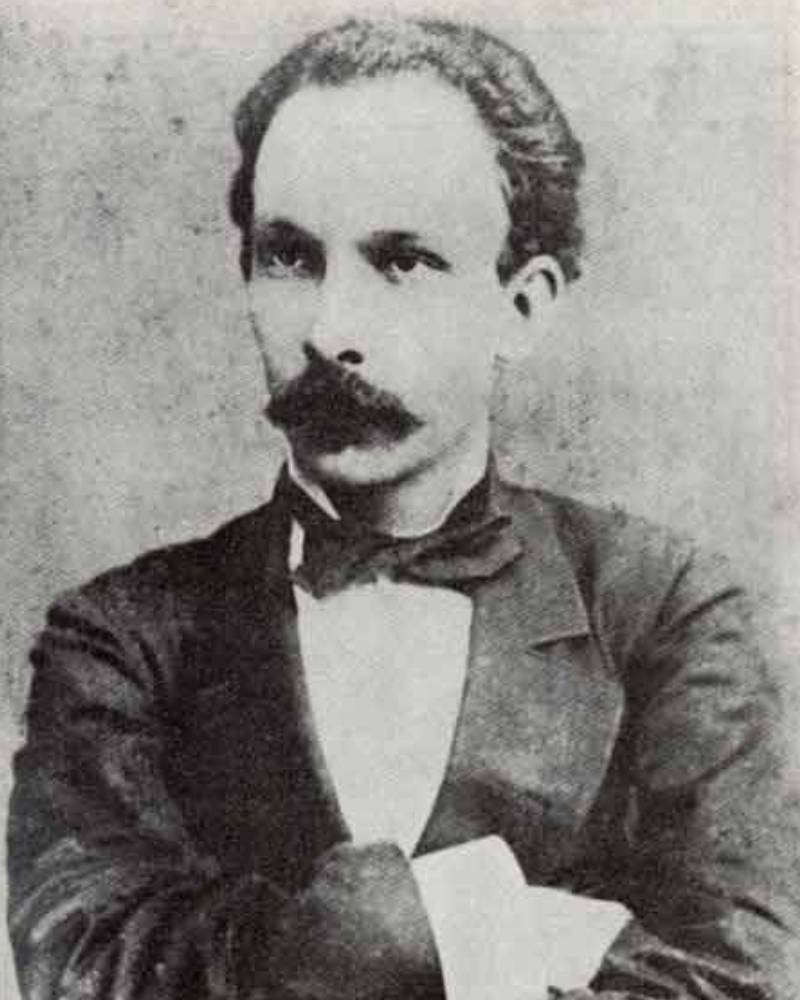
Recognized by UNESCO as a universal figure of education, peace, and cultural dialogue, Martí’s legacy inspired the establishment of the UNESCO José Martí International Prize in 1995, commemorating the centenary of his death. His documentary heritage remains invaluable for understanding modern Latin American thought, anti-colonial movements, and the continuing search for a humanism “from the poor of the Earth.”
Preserving Martí’s manuscripts and writings is thus essential not only for their literary brilliance but for their enduring relevance to the world’s pursuit of justice, freedom, and sustainable development.
Source: “José Martí Pérez” Fonds, UNESCO