The prestigious International UNESCO/José Martí Prize is awarded during the International Conference FOR WORLD BALANCE. This prize is awarded to promote and reward outstanding merit in accordance with the ideals and spirit of José Martí. The United Nations Educational, Scientific and Cultural Organization (UNESCO) is dedicated to promoting particularly meritorious initiatives.
As part of this noble endeavour, in November 1994, the International José Martí Prize was established by the UNESCO Executive Board at the initiative of the Government of Cuba. In creating the Prize, the members of the UNESCO Executive Board
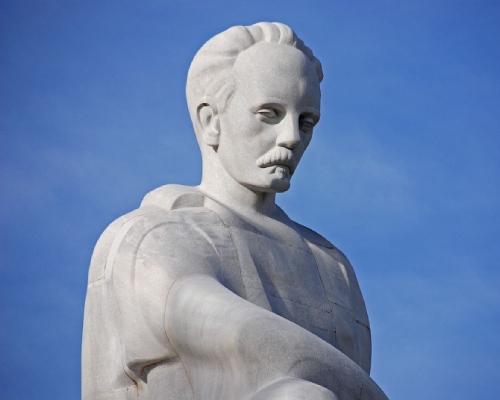
recognized the universality and transcendental validity of the ideals of José Martí, Apostle of Liberty.
Embodying the aspiration for sovereignty and the liberation struggle of a nation, the award-winning individuals and initiatives will have contributed to the unity and integration of the countries of Latin America and the Caribbean, as well as to the preservation of their identities, cultural traditions, and historical values. reasons why they are considered committed to the ideals and the humanist, internationalist and solidarity spirit of José Martí, National Hero of Cuba, Apostle of Our American independence and world ethical paradigm.
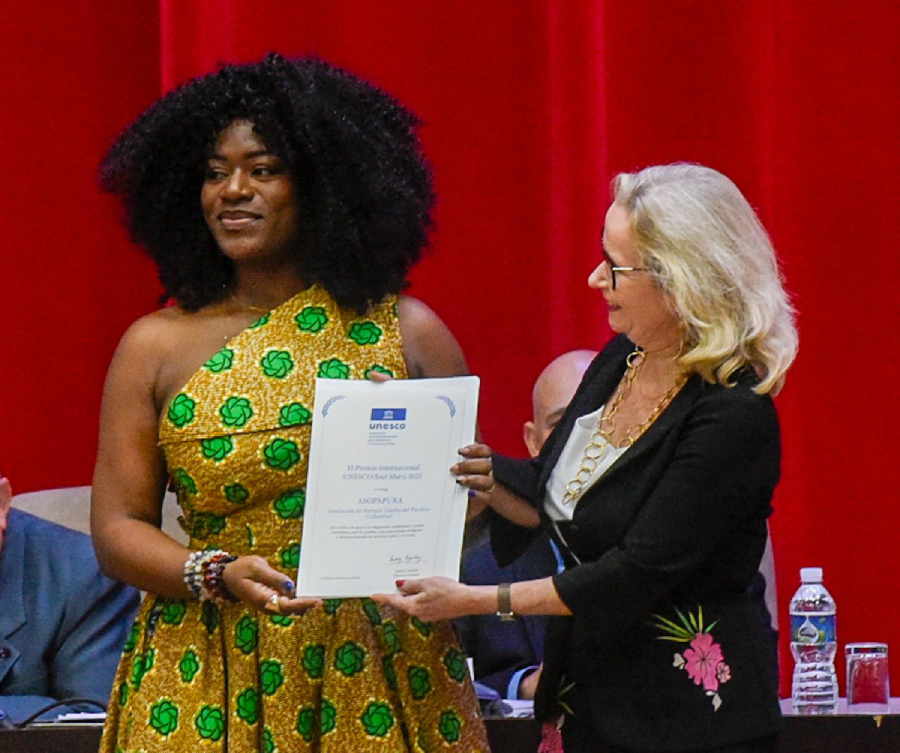
The 2025 International UNESCO / José Martí Prize was awarded to the Association of United Midwives of the Pacific (ASOPARUPA), a Colombian organisation founded in 1996. Based in Colombia, ASOPARUPA was recognised for its long-standing work promoting community integration, solidarity, and unity across Latin America and the Caribbean, particularly through the preservation of ancestral knowledge and cultural identities among Afro-descendant and indigenous midwives. The organisation also fosters cultural exchange and resilience via initiatives such as its annual Festival of Ancestral Memory and Encounter and promotes biocultural conservation and sustainable natural resource use to strengthen local communities. This award marks the first time a Colombian entity has won the José Martí Prize.
The Director-General of UNESCO issues an official call for nominations, inviting Member States through their governments and National Commissions, as well as non-governmental organizations in official relations with UNESCO to submit candidates. Self-nominations are not accepted.
Nominations must be sent to the Director-General and the Prize juryand include a written recommendation of up to five standard pages (in English or French). This document must outline the candidate’s background and achievements, summarize the key work or results being proposed for consideration, and clearly describe how the candidate contributes to the objectives of the Prize. For more details refer to UNESCO