The “José Martí” World Solidarity Project was approved by the 32nd UNESCO General Conference, held in Paris in October 2003, and ratified by the 33rd, 34th, and 35th subsequent General Conferences.
“It was an African friend, who at the time was head of UNESCO’s Social Sciences and Humanities Sector, the Senegalese philosopher Pierre Sané, who suggested turning it into a supranational project. To this end, he suggested we create a collegial governing body (which in our case is called the World Council), comprised of some thirty prestigious intellectuals from different countries (…)”
—Words of Dr. Héctor Hernández Pardo at the opening ceremony of the IV International Conference FOR THE BALANCE OF THE WORLD, held at the Havana Convention Center, January 28, 2019
The Project is governed by the World Council. It has the support of UNESCO since its approval in 2003, as well as the Organization of Ibero-American States for Education, Science and Culture (based in Madrid, Spain), and the Japanese Buddhist organization Soka Gakkai International (Japan). The Culture of Peace Foundation (Spain) and many other organizations, movements, and institutions are part of this initiative as a result of more recent alliances, such as the Eight Goals One Foundation (India) and Ecocivilisation (Slovenia).
Its name honors José Julián Martí Pérez (1853-1895), a prominent Cuban figure whose work encapsulates the best of 19th-century Latin American thought.
The Project represents the main pillar of the international work of the Martí Program Office (OPM), and among its fundamental actions is the series of events that, since 2003, have been held with significant participation from global academics, social activists, and prominent political figures: the International Conference FOR THE BALANCE OF THE WORLD.
These events have allowed the Project to reach many people, organizations, platforms, and networks in academia, religion, the arts, social activism, and many other spheres of human culture.
The Project’s international activity contributes to reaching people from all over the world who are increasingly drawn to the thought of José Martí. His profound, humanistic, ethical, and interconnected ideas, linked to social justice and the full dignity of humankind, offer an alternative in the contemporary world for promoting social and inclusive policies and building a better world where love and peace prevail, and by extension, the great ideals of UNESCO, as José Martí is a leading thinker in this regard.
We are witnessing an international movement in the field of social sciences and humanities that has already proven its effectiveness.
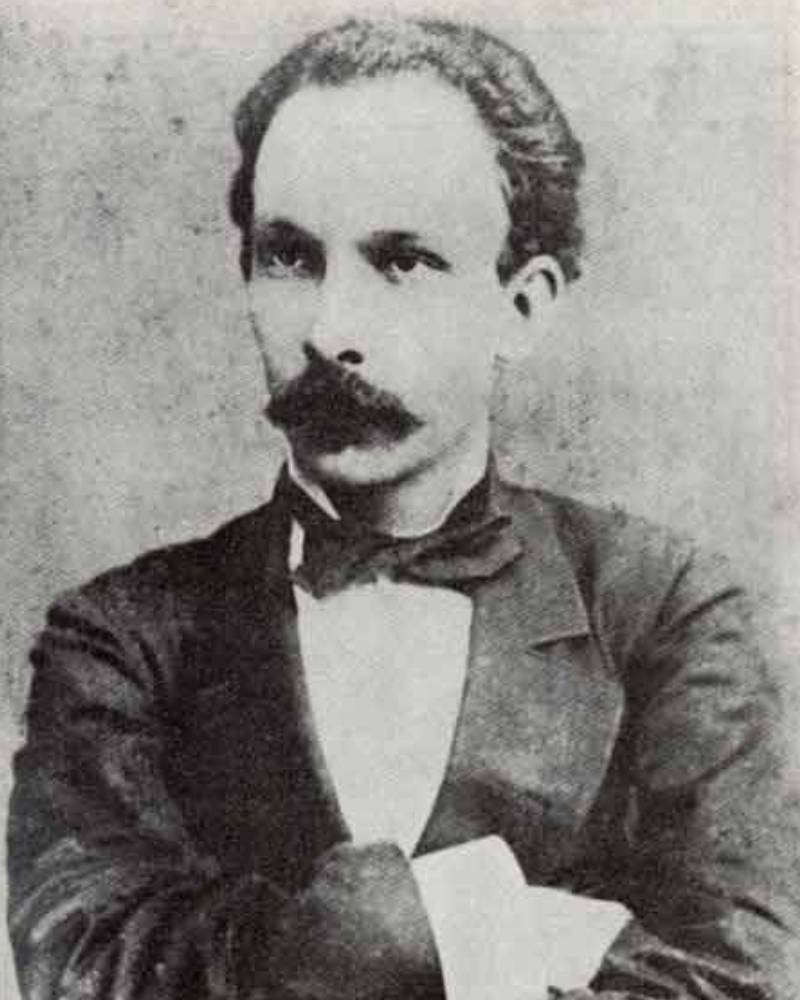
The project seeks to promote, disseminate and foster the profoundly humanist and noble ideals of José Martí, and by extension, Latin American and Caribbean political and social thought.
The José Martí Project is committed towards the fulfilment of the following objectives: